
Introduction
In today’s digital world, protecting your devices and personal data is more important than ever. With increasing cyber threats, simply using passwords is not enough to stay safe online. This is where understanding what is firewall and how it protects you becomes essential.
For readers of Secure Guide Tech, this guide will explain everything you need to know about firewalls in simple terms. Whether you are using a computer, smartphone, or home network, a firewall acts as a powerful security tool that helps keep your data safe from unauthorized access.
What is a Firewall?
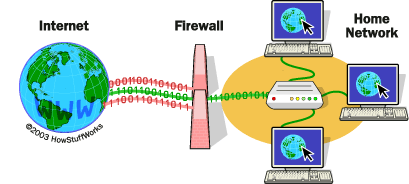
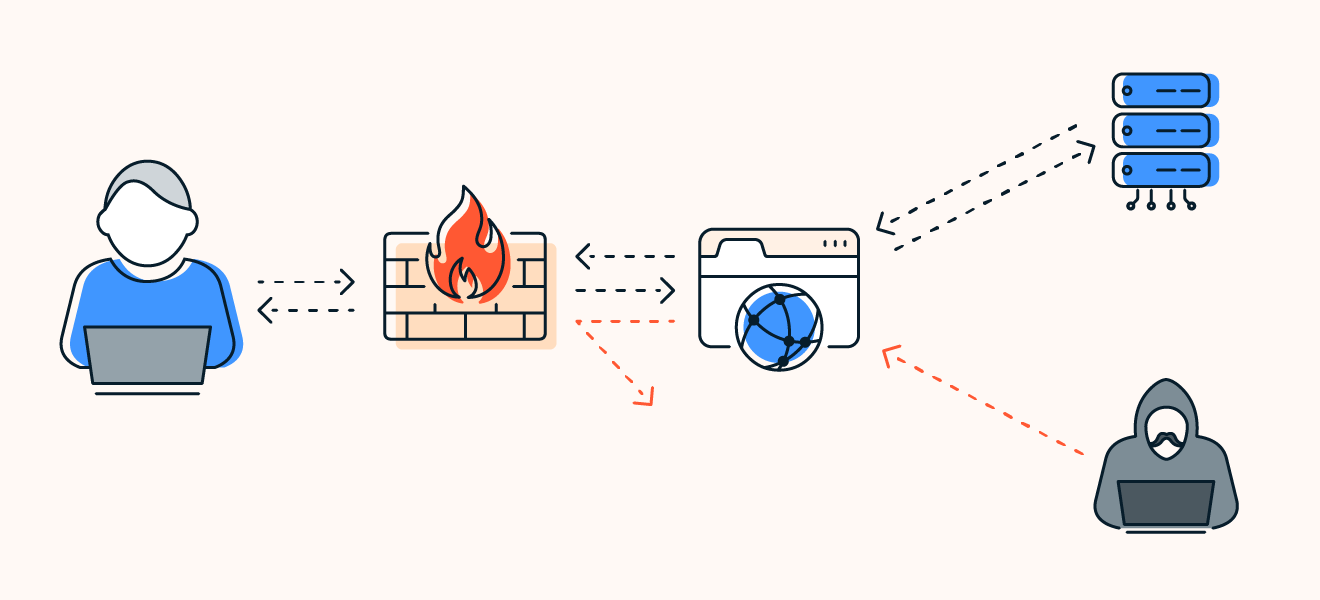
A firewall is a security system that monitors and controls incoming and outgoing network traffic. It acts as a barrier between your trusted internal network and untrusted external networks like the internet.
The main purpose of a firewall is to block harmful traffic while allowing safe communication. It checks data packets and decides whether they should be allowed or blocked based on predefined security rules.
In simple words, a firewall works like a security guard that decides who can enter and leave your network.
How a Firewall Works
A firewall analyzes data that tries to enter or leave your network. It uses a set of rules to determine whether the data is safe.
When a request is made to access your device or network, the firewall checks the source, destination, and type of data. If the request matches the security rules, it is allowed. If not, it is blocked.
This process happens instantly and continuously, ensuring that your system is protected at all times.
Firewalls can also log activity, helping you monitor potential threats and suspicious behavior.
Types of Firewalls
There are different types of firewalls, each designed to provide specific levels of protection.
Packet-filtering firewalls are the most basic type. They check data packets and allow or block them based on simple rules.
Stateful inspection firewalls are more advanced. They track active connections and make decisions based on the state of the network traffic.
Proxy firewalls act as intermediaries between users and the internet. They filter traffic and hide your network identity.
Next-generation firewalls include advanced features like intrusion detection, deep packet inspection, and malware protection.
Each type offers different levels of security, but all serve the same purpose of protecting your network.
Why Firewalls Are Important
Firewalls play a crucial role in protecting your digital life. They prevent unauthorized access to your devices and networks.
Without a firewall, your system would be exposed to hackers, malware, and other cyber threats. A firewall helps block these threats before they can cause harm.
It also protects sensitive information such as personal data, financial details, and login credentials.
For businesses, firewalls are essential for maintaining data security and preventing breaches.
How Firewalls Protect You
One of the main ways firewalls protect you is by blocking unauthorized access. They prevent hackers from entering your network and accessing your data.
Firewalls also protect against malware by blocking suspicious traffic. This reduces the risk of viruses and other harmful software infecting your device.
They help control network traffic, ensuring that only safe and necessary data is allowed.
Firewalls can also prevent unauthorized applications from accessing the internet, adding another layer of security.
Hardware vs Software Firewalls
Firewalls can be either hardware-based or software-based.
Hardware firewalls are physical devices that protect your entire network. They are often built into routers and provide security for all connected devices.
Software firewalls are installed on individual devices like computers or smartphones. They offer more control over specific applications and settings.
Using both types together provides stronger protection.
Benefits of Using a Firewall
Using a firewall offers several benefits for your security.
It provides protection against hackers and unauthorized access.
It helps prevent malware and cyber attacks.
It improves control over network traffic.
It protects sensitive data and personal information.
It works continuously in the background without affecting your daily activities.
These benefits make firewalls an essential part of any security setup.
Common Mistakes to Avoid
Many users make mistakes that reduce the effectiveness of their firewall.
One common mistake is turning off the firewall for convenience. This leaves your system vulnerable to attacks.
Another mistake is not updating firewall settings. Outdated configurations may not protect against new threats.
Ignoring alerts and notifications from your firewall can also be risky.
Using weak security rules can allow harmful traffic to pass through.
Avoiding these mistakes helps maintain strong protection.
Tips for Using Firewalls Effectively
To get the most out of your firewall, follow these simple tips.
Always keep your firewall enabled.
Regularly update your system and firewall settings.
Use strong security rules to control traffic.
Monitor firewall logs to detect unusual activity.
Combine your firewall with antivirus software for better protection.
These practices ensure that your firewall works effectively.
Firewalls and Home Network Security
Firewalls are especially important for home networks. With multiple devices connected to your WiFi, the risk of cyber threats increases.
A firewall helps protect all devices on your network, including smartphones, laptops, and smart home devices.
Most modern routers include built-in firewalls, making it easy to secure your network.
Ensuring your firewall is properly configured can greatly improve your home network security.
Benefits for Secure Guide Tech Readers
For readers of Secure Guide Tech, understanding what is firewall and how it protects you is a key step toward better cybersecurity.
By using a firewall, you can protect your devices, data, and online activities from potential threats.
It is a simple yet powerful tool that enhances your overall security without requiring advanced technical knowledge.
Conclusion
Now you understand what is firewall and how it protects you. A firewall acts as a protective barrier that keeps your network safe from unauthorized access and cyber threats.
In a world where online security is becoming more important every day, having a firewall is not optional—it is essential.
For your website Secure Guide Tech, sharing this knowledge helps users stay informed and protected. By enabling and properly using a firewall, you can enjoy a safer and more secure digital experience.