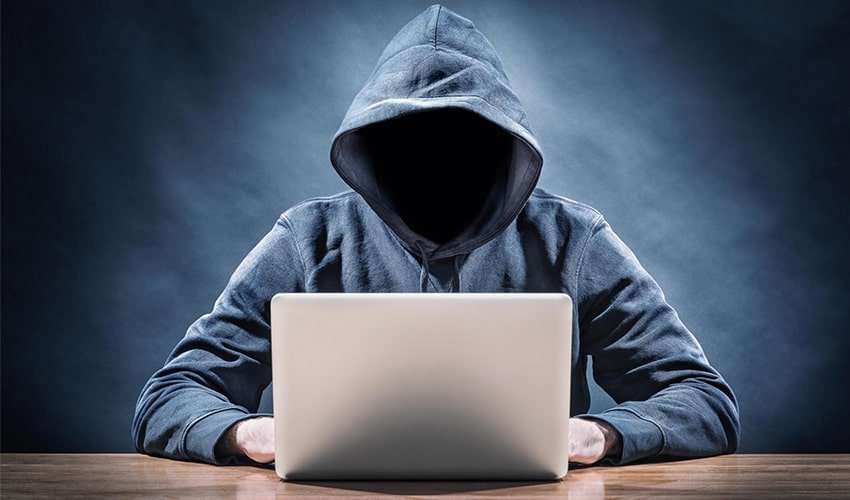
Let me ask you something. When was the last time you thought about your personal data? Not just your passwords, but your photos, messages, bank details, and home address? Most of us go through our day clicking and sharing without a second thought. But somewhere out there, people are working hard to take all of that from you. If you want to understand how hackers access your personal data, you need to know that they are not targeting you personally. They are looking for easy opportunities. And sadly, most of us hand them those opportunities without even realizing it.
I have followed cybersecurity for years, and one thing is very clear. Hackers are getting smarter, but most people are still making the same small mistakes. The good news? You do not need to be a genius to stop them. You just need to understand how hackers access your personal data. Once you know their tricks, you can shut them down.
At Secure Guide Tech, we believe online safety should be simple and practical. No confusing tech words. No fear tactics. Just real advice that works. So let us walk through the most common ways hackers steal your information and exactly what you can do about it.
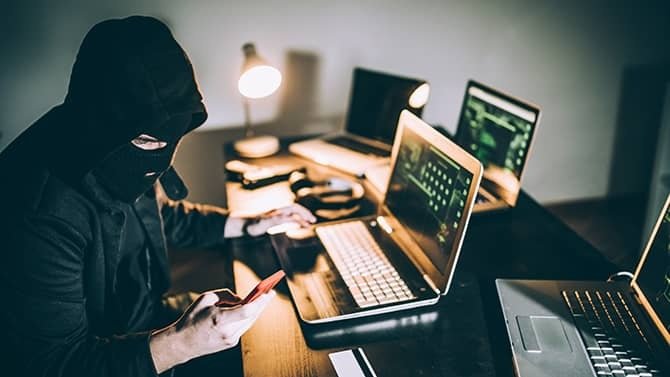
The Oldest Trick: Phishing Emails
You have heard the word phishing before. But let me explain what it looks like in real life. One morning you open your email and see a message from your bank. It says there is a problem with your account and you need to click a link right now or your money will be frozen. The email looks real. It has the bank logo, proper spelling, and even a fake number to call.
This is still the number one way how hackers access your personal data. Why? Because it works on emotions. Fear and urgency make us act fast without thinking. Secure Guide Tech always reminds readers that if an email creates a strong emotion, you should pause. That pause can save you.
Here is how to stop it. Never click links in unexpected emails. Go directly to the bank website by typing the address yourself. Check the sender’s email address carefully. Often it will be something like security@bank-support.ru instead of the real domain.
Fake Wi-Fi Networks
Imagine you are at an airport or coffee shop. You see a free Wi-Fi network named “Cafe_Free_WiFi”. You connect without thinking twice. This is exactly what hackers want.
They set up fake hotspots that look real. When you connect, everything you do passes through their device. Every website you visit, every password you type. They can read it all. This is a man in the middle attack, and it is a major way how hackers access your personal data in public places.
So what should you do? Never use public Wi-Fi for banking, shopping, or logging into important accounts. If you must use it, always use a VPN. It creates a private tunnel for your data. Even if a hacker is on the same network, they will only see scrambled garbage. Secure Guide Tech recommends using a trusted VPN service even at home. Also, turn off auto connect on your phone so you do not accidentally join a fake network.
Data Breaches and Password Reuse
Here is something most people do not realize. You can do everything right, but if a company you trust gets hacked, your password might still end up in the hands of criminals. Big companies like Facebook, Yahoo, and Marriott have had massive data breaches. Names, emails, passwords, and credit card numbers get leaked online.
Hackers take these leaked passwords and try them on other websites. Let us say your password from an old shopping site was “Summer2020”. If you used that same password for your email or bank account, the hacker now has access to everything. This is called credential stuffing, and it is one of the fastest ways how hackers access your personal data today.
Malware in Free Downloads
We all love free stuff. Free games, free PDF editors, free music converters. But here is the truth. Many of these free downloads come with a hidden guest. Malware. Sometimes it is obvious, like pop up ads. Other times it is silent. Keyloggers record every key you type, including passwords. Remote access tools let hackers control your machine.
How do hackers access your personal data with malware? Often it starts with a fake download button on a website. You think you are downloading a simple tool, but you are actually installing spyware. Another common method is email attachments. An invoice or shipping notice that looks real but contains a malicious script.
Only download software from official websites. Never from random pop up ads. Keep your operating system and antivirus software updated. Those update reminders are annoying, but they often contain fixes for security holes that hackers know about. According to Secure Guide Tech, this single habit stops a huge number of malware infections before they start.
Social Engineering and Phone Scams
Not all hacking involves computers. Sometimes hackers just ask for what they want. This is called social engineering. A hacker calls you pretending to be from tech support. They say your computer has a virus and they need remote access to fix it. Another version is a text message saying your package cannot be delivered and you need to click a link.
I have seen people lose thousands of dollars this way. Hackers are great actors. They sound professional, use real company names, and create convincing stories.
How hackers access your personal data through social engineering is simple. They trick you into giving it yourself. Personal details, login codes, even your social security number.
Simple Habits That Block Most Hackers
You do not need expensive software to stay safe. Most attacks target easy victims. If you make yourself harder to hack, hackers will simply move on. Here are five habits that will stop most of the ways how hackers access your personal data.
First, update everything regularly. Phones, computers, apps, routers. Set automatic updates whenever possible. Second, use a password manager and generate unique passwords for every account. Third, turn on two factor authentication for your email, banking, and social media. Fourth, never click links in unsolicited messages. Type the web address yourself. Fifth, back up your important files to an external drive.
These habits take very little time but provide enormous protection. Secure Guide Tech has helped thousands of readers build these habits step by step. You do not need to change everything overnight. Start with one habit today.
What To Do If You Get Hacked
Even careful people can get hacked. If you suspect someone has accessed your data, do not panic. First, disconnect your device from the internet. This stops the hacker from doing more damage. Second, run a full antivirus scan. Third, change your passwords starting with your email account. Your email is the master key to everything else. Fourth, check your bank statements for unknown charges.
Final Thoughts From Secure Guide Tech
I will be honest with you. Hackers are not going away. They are getting more creative every year. But here is the part they do not want you to know. Most of them are lazy. They look for easy targets. People who reuse passwords, click every link, ignore updates, and trust free Wi Fi. When you fix these basic things, you move out of the easy target zone.
You do not need to be perfect. You just need to be smarter than the average user. And now that you understand how hackers access your personal data, you are already ahead of most people.
At Secure Guide Tech, our goal is to give you honest, practical advice that actually makes a difference. No fear mongering. No pushing products you do not need. Just clear steps to protect your digital life. Start with one change today. Your future self will thank you. Stay safe out there.