
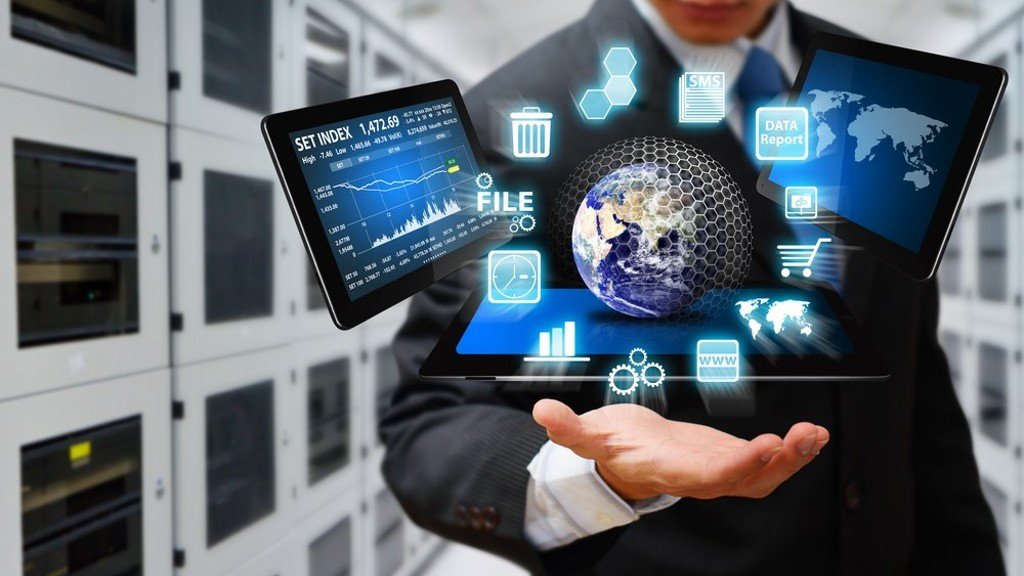
Emerging tech trends are transforming industries, businesses, and everyday life by introducing new opportunities and innovative solutions. Technologies such as artificial intelligence, machine learning, blockchain, Internet of Things, 5G networks, augmented reality, virtual reality, quantum computing, robotics, edge computing, cybersecurity innovations, biotechnology, renewable energy, wearable technology, autonomous vehicles, natural language processing, and advanced analytics are driving digital transformation and redefining the way we live and work. Staying informed about emerging tech trends is crucial for businesses, professionals, and tech enthusiasts to remain competitive, adopt new strategies, and leverage the latest innovations effectively. This comprehensive blog covers key emerging technologies, their applications, potential impact, industry use cases, challenges, and future prospects while naturally incorporating relevant keywords.
Artificial Intelligence and Machine Learning
Artificial intelligence (AI) and machine learning (ML) are at the forefront of emerging tech trends, revolutionizing how businesses operate and decisions are made. AI enables machines to perform tasks that typically require human intelligence, including natural language processing, computer vision, robotics, predictive analytics, and decision-making. Machine learning, a subset of AI, involves algorithms that learn from data patterns to improve performance over time. AI and ML applications are widespread, including virtual assistants, chatbots, fraud detection, predictive maintenance, personalized recommendations, autonomous vehicles, and medical diagnostics. These technologies enhance efficiency, accuracy, and innovation across industries such as healthcare, finance, retail, logistics, and manufacturing.
Blockchain Technology
Blockchain is an emerging tech trend offering decentralized, secure, and transparent transaction management. Initially known for powering cryptocurrencies, blockchain technology now has applications in supply chain management, digital identity verification, secure voting systems, healthcare records, and financial services. Blockchain ensures data integrity, reduces fraud, enables traceability, and provides transparency across digital ecosystems. Organizations are adopting blockchain to streamline operations, secure transactions, and foster trust with customers and stakeholders while exploring smart contracts for automation and efficiency.
Internet of Things (IoT)
The Internet of Things (IoT) connects devices, sensors, and systems to the internet, enabling data collection, remote monitoring, and automation. IoT applications span smart homes, wearable devices, connected vehicles, industrial automation, and environmental monitoring. Emerging trends in IoT focus on improved connectivity, advanced analytics, and robust security measures. Businesses leverage IoT to optimize operations, reduce downtime, enhance predictive maintenance, and deliver better customer experiences. The integration of IoT with AI and edge computing further enhances real-time decision-making and operational efficiency.
5G Networks
5G networks represent a significant emerging tech trend, delivering faster internet speeds, lower latency, and higher connectivity. 5G facilitates innovations in autonomous vehicles, smart cities, remote healthcare, AR and VR applications, and industrial IoT. Organizations benefit from enhanced communication, real-time data processing, and improved digital experiences. The adoption of 5G accelerates the development of technologies and services that require high-speed, reliable connectivity, creating new business models and opportunities in multiple sectors.
Augmented Reality (AR) and Virtual Reality (VR)
AR and VR are emerging tech trends reshaping digital experiences by overlaying digital content on the real world or creating fully immersive virtual environments. AR applications include retail experiences, gaming, industrial training, healthcare procedures, and education. VR is widely used in gaming, virtual meetings, simulations, therapy, and real estate. AR and VR enhance engagement, interactivity, and learning experiences while opening new possibilities for marketing, customer engagement, and immersive entertainment.
Quantum Computing
Quantum computing is an emerging tech trend leveraging quantum mechanics principles to perform calculations at speeds far beyond classical computers. Quantum computers can solve complex optimization problems, simulate molecular structures, break advanced encryption, and enhance AI capabilities. Industries such as pharmaceuticals, finance, logistics, and cybersecurity are exploring quantum computing to accelerate innovation, improve problem-solving capabilities, and develop next-generation applications that were previously impossible with traditional computing.
Robotics and Automation
Robotics and automation continue to be transformative emerging tech trends, streamlining tasks and enhancing precision across industries. Robotics applications include autonomous vehicles, warehouse management, surgical robots, drones, industrial automation, and agriculture. Integrating robotics with AI enables intelligent decision-making, adaptive behavior, and operational efficiency. Automation improves productivity, reduces human error, enhances workplace safety, and allows organizations to innovate processes and create scalable solutions across sectors like manufacturing, healthcare, and logistics.
Edge Computing
Edge computing is an emerging tech trend that brings data processing closer to the source of data generation. By processing information near IoT devices or end-users, edge computing reduces latency, saves bandwidth, and supports real-time analytics. Applications include autonomous vehicles, industrial IoT, smart cities, healthcare monitoring, and augmented reality. Organizations adopt edge computing to enhance operational efficiency, enable faster decision-making, reduce costs, and improve performance in latency-sensitive environments.
Cybersecurity Innovations
With the rise of emerging technologies, cybersecurity becomes increasingly vital. Emerging trends in cybersecurity include AI-powered threat detection, blockchain-based security, biometric authentication, zero-trust network architecture, and advanced encryption methods. Organizations are leveraging these innovations to protect sensitive data, secure digital infrastructures, prevent cyberattacks, and maintain trust. Cybersecurity is essential for safe adoption and scalability of other emerging tech trends, supporting secure digital transformation initiatives.
Biotechnology and Health Tech
Biotechnology and health technology are reshaping healthcare delivery, diagnostics, and treatment options. Emerging trends include gene editing, CRISPR technology, personalized medicine, wearable health monitors, telemedicine, AI-assisted diagnostics, and robotic surgery. Health tech innovations improve disease prevention, optimize treatment plans, enable continuous monitoring, and enhance patient outcomes. The convergence of biotechnology, AI, and IoT is enabling smarter healthcare solutions and accelerating medical research.
Renewable Energy and Smart Grids
Renewable energy technologies are emerging tech trends that focus on sustainable energy solutions and environmental impact reduction. Solar panels, wind turbines, energy storage systems, smart grids, and IoT-enabled energy management are transforming energy production and consumption. Smart grids optimize energy distribution, reduce waste, and enhance reliability. Integrating renewable energy with IoT and AI helps organizations and consumers monitor usage, reduce costs, and contribute to environmental sustainability while enabling smarter cities and communities.
AI in Edge Devices
Deploying AI directly on edge devices is an emerging tech trend enabling real-time analytics and autonomous decision-making without relying on cloud processing. Applications include predictive maintenance, autonomous drones, smart traffic systems, wearable devices, and industrial automation. Edge AI improves response time, enhances privacy, reduces bandwidth consumption, and supports intelligent, connected ecosystems, driving innovation across industries.
Wearable Technology
Wearable technology integrates sensors, connectivity, and analytics into clothing, accessories, and medical devices. Emerging trends include smart watches, AR glasses, fitness trackers, and medical monitoring devices. Wearables provide real-time insights, encourage proactive health management, and deliver personalized experiences. In businesses, wearable tech enhances employee monitoring, safety, productivity, and training while enabling consumer-focused applications in healthcare and entertainment.
Autonomous Vehicles
Autonomous vehicles combine AI, sensors, machine learning, and robotics to operate with minimal or no human intervention. Emerging trends include self-driving cars, trucks, drones, and ships. Autonomous technology improves transportation safety, reduces errors, optimizes logistics, and enhances mobility. The adoption of autonomous vehicles is reshaping transportation, delivery services, urban planning, and presents new regulatory, ethical, and cybersecurity challenges.
Natural Language Processing (NLP)
Natural Language Processing is an emerging tech trend that enables machines to understand, interpret, and interact with human language. NLP powers chatbots, virtual assistants, language translation, sentiment analysis, and voice-controlled applications. Businesses leverage NLP to enhance customer service, automate communication, analyze text data, and improve operational efficiency. NLP applications are critical in AI-driven solutions, enhancing engagement and decision-making.
Industry Applications of Emerging Tech Trends
Emerging tech trends are transforming industries by optimizing operations, enhancing customer experiences, and driving innovation. In healthcare, AI, robotics, and biotechnology enable precision diagnostics, robotic surgery, and personalized treatments. In finance, blockchain, AI, and predictive analytics enhance security, fraud detection, and investment strategies. Retail leverages AR, VR, and IoT for immersive experiences and efficient supply chain management. Manufacturing uses robotics, automation, and edge computing to improve production efficiency and reduce downtime. Education, logistics, energy, agriculture, and government sectors are similarly benefiting from emerging technologies to deliver smarter, more efficient solutions.
Challenges of Emerging Technologies
While emerging tech trends offer significant advantages, they also pose challenges. These include cybersecurity risks, regulatory compliance, ethical concerns, high implementation costs, integration complexities, and skill gaps. Organizations must address these challenges by investing in cybersecurity, adopting ethical frameworks, training personnel, complying with regulations, and developing scalable, responsible technology strategies. Understanding both the benefits and limitations is essential for successful adoption and sustainable innovation.
Future Outlook of Emerging Tech Trends
The future of emerging tech trends promises rapid digital transformation, intelligent automation, interconnected ecosystems, and data-driven decision-making. AI, quantum computing, blockchain, IoT, 5G, AR, VR, biotechnology, and renewable energy will continue to redefine industries, lifestyles, and economies. Businesses that strategically adopt these technologies will gain competitive advantages, increase efficiency, enhance customer experiences, and foster innovation. Staying informed, adaptable, and proactive is critical for leveraging the full potential of emerging tech trends.
Conclusion
Emerging tech trends are shaping the future by enabling innovation, improving efficiency, and creating new opportunities across multiple industries. Technologies such as AI, machine learning, blockchain, IoT, 5G, AR, VR, quantum computing, robotics, edge computing, cybersecurity innovations, biotechnology, renewable energy, wearable devices, autonomous vehicles, and NLP are transforming how we live, work, and interact. By understanding these technologies, their applications, challenges, and future potential, businesses, professionals, and individuals can harness emerging tech trends to remain competitive, innovate, and thrive in a rapidly evolving digital world.