
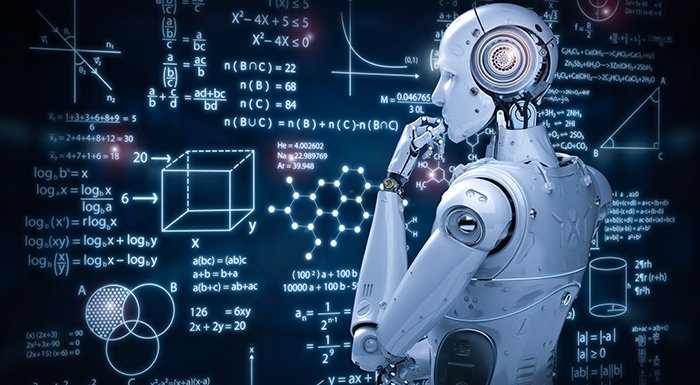
In the rapidly evolving landscape of technology, emerging trends are transforming the way we live, work, and interact with the world around us. These innovations are driving efficiency, connectivity, and creativity across industries, reshaping business models, and redefining societal norms. Understanding these trends is critical for professionals, businesses, and individuals who want to stay ahead in a highly competitive and dynamic environment. Emerging technology trends are not just about new gadgets or software; they represent shifts in capabilities, processes, and mindsets that influence every aspect of modern life.
Artificial Intelligence and Machine Learning
Artificial Intelligence (AI) and Machine Learning (ML) have become integral to technological progress, enabling machines to learn from data, identify patterns, and make informed decisions. AI applications range from natural language processing and computer vision to predictive analytics and autonomous systems. Machine learning algorithms analyze large datasets to provide insights, automate tasks, and optimize operations. Businesses use AI for customer service chatbots, fraud detection, supply chain optimization, and personalized marketing. Healthcare relies on AI for diagnostic imaging, drug discovery, and predictive patient care. As AI continues to evolve, ethical considerations, transparency, and bias mitigation are becoming critical aspects of responsible deployment.
Internet of Things (IoT)
The Internet of Things connects physical devices to the internet, allowing them to communicate, share data, and automate processes. IoT devices range from smart home appliances and wearable health monitors to industrial sensors and autonomous vehicles. IoT enhances efficiency, reduces operational costs, and enables real-time monitoring. In manufacturing, IoT supports predictive maintenance, optimizing production schedules and minimizing downtime. In healthcare, IoT enables remote patient monitoring and personalized treatment plans. Security and privacy remain significant challenges, as connected devices increase potential attack surfaces. Organizations are adopting robust cybersecurity measures to safeguard IoT networks and data.
5G Technology
5G, the fifth generation of wireless networks, offers unprecedented speed, low latency, and enhanced connectivity. It facilitates real-time communication, supports massive IoT deployments, and enables advanced applications such as augmented reality, virtual reality, and autonomous vehicles. 5G enhances mobile experiences, supports remote work, and accelerates innovation in smart cities, healthcare, and industrial automation. Its high bandwidth and low latency allow for seamless streaming, immersive experiences, and reliable communication. The rollout of 5G networks requires significant infrastructure investment, spectrum management, and coordination among telecom providers, regulators, and technology companies.
Blockchain Technology
Blockchain technology provides decentralized, secure, and transparent solutions for digital transactions and data management. Originally developed for cryptocurrencies, blockchain applications now extend to supply chain management, finance, healthcare, and digital identity verification. The technology ensures data integrity, traceability, and tamper-proof record-keeping, enhancing trust in digital interactions. Smart contracts automate agreements, reducing intermediaries and improving efficiency. Enterprises are exploring blockchain to streamline operations, enhance security, and improve transparency in global trade and financial systems. Regulatory frameworks, scalability, and energy consumption are ongoing considerations for widespread blockchain adoption.
Augmented Reality (AR) and Virtual Reality (VR)
AR and VR technologies are revolutionizing experiences by blending digital and physical environments. Augmented reality overlays digital information onto real-world settings, enhancing navigation, training, and interactive marketing. Virtual reality immerses users in simulated environments, providing opportunities for gaming, education, therapy, and remote collaboration. Industries such as healthcare use VR for surgical simulations and pain management, while retail leverages AR for virtual try-ons and immersive shopping experiences. As hardware becomes more accessible and content creation tools advance, AR and VR adoption is expanding across consumer and enterprise applications.
Edge Computing
Edge computing brings computation and data storage closer to the location where it is needed, reducing latency and bandwidth usage. Unlike traditional cloud computing, which relies on centralized data centers, edge computing processes data locally on devices or nearby servers. This approach enhances real-time analytics, supports IoT applications, and enables low-latency services such as autonomous vehicles and industrial automation. Edge computing addresses challenges associated with data privacy, network congestion, and latency-sensitive applications. Organizations are investing in edge infrastructure to complement cloud strategies and enable more efficient, responsive, and secure computing.
Cybersecurity Innovations
With the rise of digital transformation and interconnected systems, cybersecurity is an increasingly critical focus. Emerging cybersecurity trends include AI-driven threat detection, zero-trust architectures, and advanced encryption methods. AI and machine learning analyze vast amounts of data to identify anomalies, detect potential breaches, and respond to incidents in real-time. Zero-trust models assume no entity is inherently trustworthy, requiring continuous verification for access to networks and systems. Quantum-resistant encryption is being developed to secure data against potential future quantum computing threats. Cybersecurity is now integrated into every stage of digital innovation, emphasizing proactive threat management, resilience, and continuous monitoring.
Cloud Computing and Hybrid Cloud Solutions
Cloud computing continues to transform how organizations store, manage, and process data. Hybrid cloud solutions, which combine public and private clouds, offer flexibility, scalability, and cost-efficiency. Businesses can optimize workloads, ensure data redundancy, and maintain compliance with regulations through hybrid cloud strategies. Cloud-native applications, containerization, and serverless computing enhance agility, enabling rapid deployment and scaling. Cloud security, data governance, and compliance remain top priorities as organizations rely on cloud infrastructure for mission-critical operations and digital innovation.
Robotics and Automation
Robotics and automation are reshaping industries by improving efficiency, reducing labor-intensive tasks, and enabling precision operations. Industrial robots perform repetitive manufacturing tasks, while service robots assist in healthcare, logistics, and customer support. Automation powered by AI and machine learning optimizes workflows, predicts maintenance needs, and enhances decision-making. Autonomous vehicles, drones, and robotic process automation (RPA) are extending capabilities across transportation, logistics, and business processes. Ethical considerations, workforce adaptation, and safety regulations are essential for responsible integration of robotics and automation into society.
Biotechnology and Health Tech
Advancements in biotechnology and health technology are transforming medical research, diagnostics, and patient care. Gene editing technologies, personalized medicine, wearable health monitors, and telehealth platforms are driving innovation in healthcare. AI-powered diagnostics and predictive analytics enhance early detection of diseases, improve treatment plans, and support clinical decision-making. Biotechnology applications extend to agriculture, environmental monitoring, and pharmaceuticals. Emerging trends focus on precision health, data-driven care, and integrating digital technologies to improve outcomes and accessibility while addressing ethical and regulatory challenges.
Sustainable and Green Technologies
Emerging technology trends also emphasize sustainability and environmental responsibility. Renewable energy solutions, smart grids, energy-efficient computing, and carbon footprint monitoring are gaining traction. Technologies such as solar power, wind energy, energy storage systems, and electric vehicles contribute to reducing greenhouse gas emissions and supporting a sustainable future. Green computing initiatives focus on energy-efficient data centers, sustainable hardware, and minimizing electronic waste. Organizations and governments are investing in sustainable technologies to meet climate goals, reduce environmental impact, and promote responsible innovation.
Artificial General Intelligence (AGI) and Quantum Computing
Research in Artificial General Intelligence (AGI) and quantum computing is paving the way for transformative breakthroughs. AGI aims to develop machines with human-like cognitive abilities, capable of understanding, reasoning, and learning across diverse tasks. Quantum computing leverages quantum bits to perform complex computations exponentially faster than classical computers. Potential applications include cryptography, optimization problems, drug discovery, and scientific research. Ethical considerations, technological feasibility, and regulatory oversight are crucial for guiding the development of AGI and quantum computing in a responsible and beneficial manner.
Ethical and Social Implications
As emerging technologies advance, ethical and social implications become increasingly important. Issues such as data privacy, algorithmic bias, job displacement, and digital equity must be addressed. Responsible innovation requires transparency, accountability, and inclusive decision-making to ensure technologies benefit society as a whole. Policymakers, industry leaders, and researchers are collaborating to develop frameworks, guidelines, and regulations that balance innovation with ethical considerations. Public awareness, education, and stakeholder engagement are critical for fostering trust and promoting equitable access to technological advancements.
The Future of Emerging Technologies
The future of emerging technologies is dynamic, interconnected, and transformative. Technologies such as AI, IoT, 5G, blockchain, AR/VR, edge computing, and quantum computing are converging to create new opportunities and redefine industries. Continuous innovation, investment in research and development, and a focus on ethical and sustainable practices will shape the trajectory of these trends. Individuals, businesses, and governments must embrace lifelong learning, adaptability, and collaboration to harness the potential of emerging technologies effectively. Staying informed, anticipating change, and proactively integrating new solutions are essential for thriving in the technology-driven future.
Conclusion
Emerging technology trends are redefining the global landscape, influencing every sector, and creating new opportunities for innovation, efficiency, and growth. Understanding these trends, their applications, and potential implications is crucial for decision-makers, professionals, and society at large. From artificial intelligence and IoT to quantum computing and sustainable technologies, the transformative power of emerging innovations is reshaping our world. Embracing these technologies responsibly, ethically, and strategically ensures that we can leverage their benefits while addressing challenges, creating a future that is smarter, safer, and more connected.