
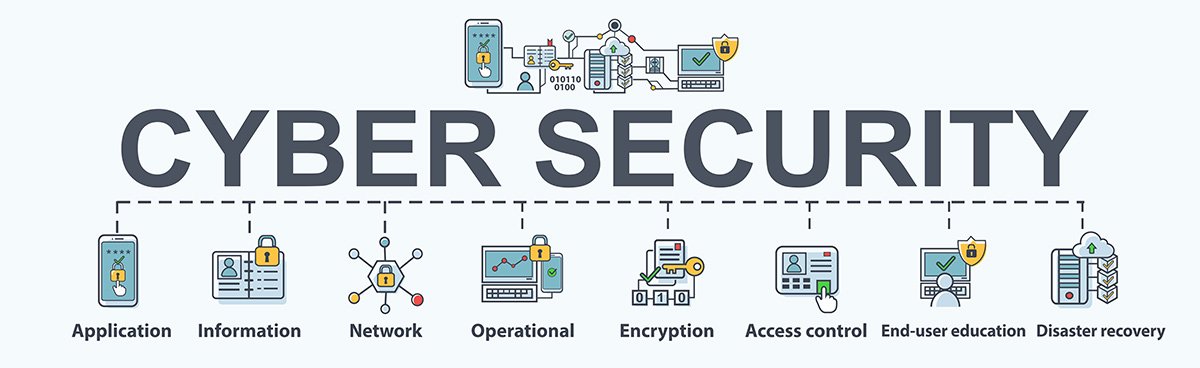
Cybersecurity is an essential component of modern technology and digital life, ensuring the protection of sensitive data, networks, devices, and systems from cyber threats. With the increasing reliance on internet-connected devices, cloud computing, mobile applications, and online services, cybersecurity has become critical for individuals, businesses, and government organizations. Cybersecurity encompasses the practices, tools, and strategies used to safeguard information from unauthorized access, theft, damage, or disruption. Understanding cybersecurity helps prevent financial losses, privacy breaches, identity theft, and operational disruptions. This comprehensive guide explains the fundamentals of cybersecurity, types of cyber threats, preventive measures, emerging technologies, and best practices, all while incorporating essential cybersecurity keywords naturally.
What Is Cybersecurity
Cybersecurity refers to the protection of computer systems, networks, software, and data from cyberattacks and unauthorized access. It involves multiple layers of defense across computers, networks, programs, and users. Cybersecurity includes measures like firewalls, antivirus software, encryption, intrusion detection systems, secure passwords, multi-factor authentication, and employee training. By implementing effective cybersecurity measures, organizations and individuals can maintain confidentiality, integrity, and availability of digital information, prevent cybercrime, and secure online operations.
Importance of Cybersecurity
The importance of cybersecurity cannot be overstated in today’s digital world. Cyberattacks can lead to financial losses, reputational damage, intellectual property theft, and legal consequences. For businesses, cybersecurity is essential to protect sensitive customer information, corporate data, and operational systems. Individuals rely on cybersecurity to safeguard personal information, banking credentials, and online identities. Governments use cybersecurity to secure critical infrastructure, defense systems, and citizen data. As cyber threats become more sophisticated, proactive cybersecurity strategies are essential to minimize risks and maintain trust in digital services.
Common Cybersecurity Threats
Cybersecurity threats are diverse and constantly evolving. Common threats include malware, ransomware, phishing, social engineering, spyware, insider threats, denial-of-service (DoS) attacks, and advanced persistent threats (APTs). Malware, including viruses, trojans, worms, and spyware, compromises system functionality and steals information. Ransomware encrypts files and demands payment for decryption keys. Phishing attacks deceive users into providing sensitive information like passwords or financial data. Social engineering manipulates human behavior to bypass security protocols. Insider threats originate from employees or trusted individuals who misuse access. Understanding these threats is critical for designing effective cybersecurity measures.
Malware and Viruses
Malware is malicious software designed to harm devices, networks, or data. Viruses attach themselves to files and programs, spreading rapidly across systems. Trojans disguise themselves as legitimate software to steal information. Spyware monitors user activity without consent. Cybersecurity practices such as installing antivirus programs, keeping software updated, avoiding untrusted downloads, and regularly scanning devices are key to preventing malware infections.
Ransomware Protection
Ransomware attacks encrypt important files and demand ransom payments. Organizations and individuals can mitigate ransomware risks by maintaining secure backups, segmenting networks, keeping systems updated, and educating users about suspicious links and emails. Cybersecurity tools like endpoint detection and response (EDR) and intrusion prevention systems (IPS) help detect ransomware activity before it causes major damage.
Phishing and Email Security
Phishing is a common cyberattack method where attackers send fraudulent emails or messages to steal credentials or sensitive data. Effective cybersecurity practices include enabling email filtering, educating users about phishing red flags, using strong passwords, and implementing multi-factor authentication (MFA). Recognizing and reporting phishing attempts is crucial to maintaining both personal and organizational cybersecurity.
Social Engineering Attacks
Social engineering attacks exploit human psychology to bypass security measures. Techniques include pretexting, baiting, impersonation, and tailgating. Cybersecurity training and awareness programs teach users to verify requests, question unusual communications, and adhere to security protocols. Preventing social engineering attacks reduces the risk of unauthorized access to sensitive systems and data.
Denial-of-Service (DoS) and Distributed Denial-of-Service (DDoS) Attacks
DoS and DDoS attacks overwhelm systems, networks, or websites with excessive traffic, rendering them unavailable to legitimate users. Cybersecurity defenses include firewalls, intrusion detection systems, load balancers, and traffic monitoring. Organizations can mitigate the impact of DDoS attacks using cloud-based protection services and proper network architecture planning.
Password Security and Authentication
Strong, unique passwords and multi-factor authentication are foundational to cybersecurity. Using complex passwords, regularly updating them, and avoiding reuse across accounts enhance protection. Password managers help securely store credentials. Multi-factor authentication adds an additional layer of security, making it harder for attackers to gain unauthorized access even if passwords are compromised.
Network Security
Network security involves protecting internal and external networks from unauthorized access, misuse, or data breaches. Firewalls, secure Wi-Fi protocols, VPNs, intrusion detection systems, and segmentation of networks are standard cybersecurity measures. Proper network monitoring and access controls prevent unauthorized entry, safeguard data, and maintain system integrity.
Endpoint Security
Endpoint security focuses on securing devices like computers, laptops, smartphones, and tablets. Antivirus software, device encryption, mobile device management, and regular updates are key elements. Cybersecurity policies enforce compliance, ensuring all endpoints meet organizational security standards and reducing the attack surface.
Cloud Security
Cloud computing provides scalable storage and services but introduces security risks if not properly managed. Cybersecurity measures for cloud platforms include access controls, encryption, secure authentication, monitoring, and regular audits. Best practices involve proper configuration, data backups, and adherence to cloud provider security guidelines to protect sensitive information.
Data Encryption
Encryption converts data into unreadable formats that can only be accessed by authorized parties. It is a cornerstone of cybersecurity, protecting data in transit and at rest. Using strong encryption protocols for emails, files, databases, and communication channels ensures confidentiality and prevents unauthorized access.
Cybersecurity Policies and Compliance
Organizations implement cybersecurity policies to define acceptable use, data handling, access control, incident response, and employee responsibilities. Compliance with standards and regulations such as GDPR, HIPAA, ISO 27001, and PCI-DSS ensures legal and ethical adherence. Policies create a security-focused culture and promote accountability.
Incident Response and Recovery
Incident response involves identifying, containing, and mitigating cybersecurity incidents. Recovery plans restore systems and data while minimizing downtime. Cybersecurity incident response includes establishing communication channels, documenting events, analyzing root causes, and implementing preventive measures to reduce future risks.
Security Awareness Training
Human error remains a significant factor in cyber incidents. Security awareness training educates employees and users on phishing, password hygiene, malware prevention, safe browsing, and organizational security policies. Continuous training strengthens cybersecurity defenses and reduces vulnerabilities.
Emerging Cybersecurity Technologies
Technologies such as artificial intelligence (AI), machine learning (ML), blockchain, and behavioral analytics are increasingly integrated into cybersecurity. AI and ML detect anomalies, predict attacks, and automate responses. Blockchain enhances data integrity and authentication. Behavioral analytics identifies unusual patterns to prevent insider threats. Cybersecurity professionals leverage these technologies to stay ahead of attackers.
Cybersecurity for Individuals
Individuals must adopt cybersecurity practices to safeguard personal devices, accounts, and data. Recommended measures include updating software, using strong passwords, enabling multi-factor authentication, avoiding suspicious links, using secure Wi-Fi, and performing regular data backups. Personal cybersecurity awareness helps prevent identity theft, financial loss, and privacy breaches.
Cybersecurity for Businesses
Businesses face higher risks due to valuable data and operational dependence on technology. Cybersecurity for organizations includes firewalls, endpoint protection, network monitoring, risk assessments, incident response planning, employee training, and compliance with regulations. Implementing cybersecurity reduces financial risks, protects reputation, and ensures business continuity.
Mobile Security
Mobile devices are increasingly targeted by cybercriminals through malware, phishing apps, and unsecured Wi-Fi networks. Cybersecurity measures include keeping devices updated, managing app permissions, using secure connections, installing antivirus software, and encrypting sensitive data. Mobile security is critical for both personal privacy and organizational safety.
Internet of Things (IoT) Security
IoT devices such as smart home systems, wearables, and industrial sensors expand the attack surface. Cybersecurity strategies include strong authentication, regular firmware updates, network segmentation, monitoring, and restricting unauthorized access. Securing IoT devices prevents them from becoming entry points for larger cyberattacks.
Cybersecurity Challenges
Challenges include constantly evolving threats, sophisticated attack techniques, a shortage of skilled cybersecurity professionals, human error, and legacy systems. Organizations must continuously update strategies, invest in modern tools, conduct regular audits, and educate users. Understanding challenges improves risk management and prepares organizations for emerging threats.
Cybersecurity Best Practices
Best practices include using strong passwords, enabling multi-factor authentication, regularly updating software, implementing firewalls and antivirus programs, conducting employee training, performing data backups, using encrypted communication, monitoring networks, and having incident response plans. Adhering to these practices reduces risk and enhances overall cybersecurity posture.
Cybersecurity Myths and Facts
Common myths include believing antivirus software alone is sufficient, cybersecurity is only for large organizations, or cyber threats are rare. In reality, cybersecurity requires a comprehensive approach involving technology, policies, user awareness, and continuous monitoring. Staying vigilant and informed is key to staying secure.
Future of Cybersecurity
The future of cybersecurity involves AI-driven threat detection, quantum encryption, advanced authentication methods, privacy-focused technologies, and global collaboration. Cybersecurity will continue to evolve as threats become more complex, requiring proactive strategies, continuous innovation, and education to maintain secure digital environments.
Conclusion
Cybersecurity is essential for protecting data, devices, networks, and digital operations from cyber threats. This guide covers malware, ransomware, phishing, social engineering, network security, endpoint protection, cloud security, encryption, policies, training, mobile security, IoT security, best practices, emerging technologies, and future trends. By understanding and implementing comprehensive cybersecurity strategies, individuals and organizations can safeguard digital assets, ensure privacy, and maintain operational continuity in an increasingly connected world.