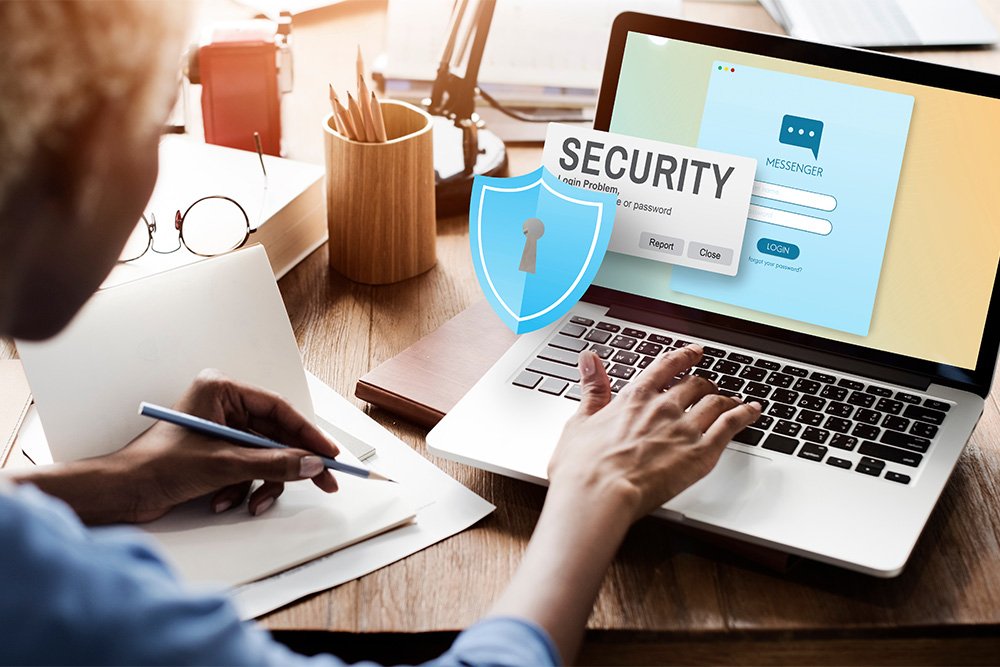
Internet safety and privacy are essential in today’s digital world where personal information, financial data, and online activity are constantly at risk from cyber threats such as hacking, phishing, malware, identity theft, and surveillance. Understanding internet safety and privacy helps individuals, businesses, and organizations protect sensitive information, maintain online anonymity, and secure digital interactions. This comprehensive guide explores key aspects of internet safety, privacy practices, common threats, cybersecurity tools, and strategies to ensure online security while naturally incorporating relevant keywords.
What Is Internet Safety
Internet safety refers to the practice of protecting oneself, personal information, and devices while using the internet. It encompasses safe browsing habits, secure communication, data protection, and awareness of online threats. Internet safety involves avoiding risky websites, preventing malware infections, securing accounts with strong passwords and multi-factor authentication, and using privacy tools such as VPNs and secure browsers. Maintaining internet safety ensures a safer online experience and reduces the risk of identity theft, financial loss, and privacy violations.
Understanding Online Privacy
Online privacy is the protection of personal information, online activities, and digital identity from unauthorized access or tracking. Internet users share data through social media, emails, websites, apps, and online transactions. Maintaining privacy involves controlling what information is shared, using encryption for communications, managing cookies and tracking settings, and being aware of data collection practices. Privacy measures protect sensitive information such as passwords, financial details, health records, and personal communications from misuse or exploitation.
Common Internet Threats
The internet poses numerous threats to safety and privacy. Common risks include phishing attacks, malware, ransomware, spyware, identity theft, social engineering, unsecured Wi-Fi networks, and data breaches. Phishing involves fraudulent emails or messages designed to steal credentials. Malware can damage devices or steal information. Ransomware encrypts files and demands payment for recovery. Spyware monitors user activity without consent. Unsecured networks allow unauthorized access, and social engineering exploits human psychology. Understanding these threats is crucial for adopting effective internet safety and privacy practices.
Phishing and Email Security
Phishing is a common online threat targeting internet users through fake emails, messages, or websites to obtain sensitive information. Internet safety measures include identifying suspicious links, avoiding sharing passwords, using email filters, and enabling multi-factor authentication. Educating users to recognize phishing scams reduces the risk of credential theft, financial loss, and identity fraud.
Malware, Viruses, and Ransomware
Malware, viruses, and ransomware are significant threats to internet safety and privacy. Malware includes malicious software such as trojans, worms, and spyware that can compromise devices and steal data. Ransomware encrypts files and demands a ransom for restoration. Internet safety practices include using antivirus software, regularly updating systems, avoiding suspicious downloads, performing scans, and maintaining data backups to minimize the impact of cyberattacks.
Safe Browsing Practices
Safe browsing is a key component of internet safety and privacy. Users should avoid unsafe websites, verify website security through HTTPS, use ad-blockers, and disable pop-ups. Browser privacy settings, clearing cookies, and avoiding sharing personal information on unsecured platforms enhance online privacy. Educating users on safe browsing helps prevent malware infections, phishing attacks, and data exposure.
Password Management and Authentication
Strong password management is essential for internet safety and privacy. Using complex, unique passwords for different accounts reduces the risk of unauthorized access. Password managers securely store credentials, generate strong passwords, and protect sensitive information. Multi-factor authentication adds an extra layer of security, requiring verification through mobile devices, email, or biometrics to prevent unauthorized access even if passwords are compromised.
Securing Social Media Accounts
Social media accounts are prime targets for privacy breaches and cyberattacks. Internet safety measures include controlling privacy settings, avoiding oversharing personal information, using strong passwords, and enabling two-factor authentication. Users should be cautious about friend requests, messages from unknown contacts, and links shared on social media platforms. Maintaining social media security reduces the risk of identity theft, phishing, and reputation damage.
Virtual Private Networks (VPNs)
VPNs are critical tools for internet safety and privacy. A VPN encrypts internet traffic, hides IP addresses, and protects data from interception on public Wi-Fi or unsecured networks. VPNs provide anonymity, enable safe browsing, and safeguard sensitive information. Organizations and individuals use VPNs to secure remote work, protect financial transactions, and maintain online privacy.
Securing Mobile Devices
Mobile devices store sensitive information and are frequent targets of cyber threats. Internet safety practices for mobile devices include updating software regularly, installing antivirus applications, using secure app stores, controlling app permissions, and enabling encryption. Avoiding unsecured Wi-Fi networks and enabling remote device tracking enhance mobile privacy and security.
Safe Online Transactions
Online transactions require strict internet safety and privacy measures. Users should ensure websites use HTTPS, avoid sharing financial information on unsecured platforms, use secure payment gateways, and monitor banking activity regularly. Implementing strong authentication and transaction alerts reduces the risk of fraud and financial theft, ensuring safer online shopping and banking experiences.
Protecting Personal Data
Personal data protection is vital for internet safety and privacy. Users should limit the sharing of personal information, regularly update privacy settings on platforms, and avoid storing sensitive data on unsecured devices. Using encryption, secure cloud storage, and secure communication tools helps prevent unauthorized access and protects sensitive information from misuse or theft.
Cybersecurity Tools for Privacy Protection
Various cybersecurity tools enhance internet safety and privacy, including antivirus software, firewalls, secure browsers, password managers, encryption software, VPNs, ad-blockers, and identity theft protection services. These tools provide layers of protection against malware, phishing, data breaches, and unauthorized access, strengthening overall online security and privacy.
Identity Theft Prevention
Identity theft is a growing concern in online safety. Preventive measures include monitoring credit reports, using strong passwords, enabling multi-factor authentication, avoiding oversharing personal information, and being cautious of phishing attempts. Immediate reporting of suspicious activity and freezing accounts when necessary helps minimize damage and protect digital identity.
Privacy Settings and Data Management
Managing privacy settings across platforms is essential for internet safety. Users should control permissions for apps, manage cookie preferences, limit location tracking, and configure social media privacy options. Proper data management reduces exposure to unauthorized data collection, targeted advertising, and potential cyber threats, ensuring a safer online presence.
Safe Email and Messaging Practices
Email and messaging are common vectors for cyberattacks. Internet safety practices include using secure email providers, avoiding suspicious attachments, verifying sender authenticity, encrypting messages, and regularly updating passwords. Secure messaging apps with end-to-end encryption enhance privacy and prevent unauthorized access to communication.
Parental Controls and Family Safety
Parental controls are important for internet safety and privacy for children. Tools include content filters, screen time management, app restrictions, and monitoring online activity. Educating children about safe browsing, social media use, and cyberbullying awareness ensures a secure online environment and promotes responsible digital behavior.
Cloud Privacy and Security
Cloud services offer convenience but introduce privacy risks. Users should choose reputable cloud providers, enable encryption, use strong authentication, and review privacy policies. Secure cloud practices protect sensitive files, prevent unauthorized access, and ensure that personal or business data remains confidential and safe from cyber threats.
IoT Device Security
Internet of Things devices, including smart home devices, wearables, and connected appliances, can compromise privacy if not secured. Internet safety practices include changing default passwords, updating firmware, segmenting networks, and monitoring connected devices. Securing IoT devices prevents unauthorized access, data breaches, and privacy violations while maintaining a safer connected ecosystem.
Cybersecurity Awareness and Education
Education is a key component of internet safety and privacy. Staying informed about emerging threats, safe online habits, and best practices enhances protection. Cybersecurity awareness training helps users recognize phishing attempts, avoid malware, secure accounts, and maintain privacy. Continuous education fosters responsible online behavior and reduces the risk of cyber incidents.
Legal and Regulatory Considerations
Internet safety and privacy are supported by legal frameworks and regulations such as GDPR, CCPA, HIPAA, and COPPA. Organizations must comply with data protection laws, secure customer information, obtain consent for data collection, and maintain transparency. Understanding regulatory requirements enhances online safety, prevents legal issues, and protects user privacy.
Future Trends in Internet Safety and Privacy
Future trends in internet safety and privacy focus on enhanced encryption, AI-driven threat detection, privacy-by-design solutions, decentralized networks, and biometric authentication. As technology evolves, new tools and practices will emerge to protect online identities, secure communications, and safeguard personal and organizational data from advanced cyber threats. Proactive adoption of privacy measures ensures safer digital experiences and stronger protection against evolving risks.
Conclusion
Internet safety and privacy are critical for protecting personal information, financial data, digital identity, and online interactions from cyber threats. This comprehensive guide covers phishing, malware, ransomware, safe browsing, password management, social media security, VPNs, mobile device security, online transactions, data protection, cybersecurity tools, identity theft prevention, privacy settings, cloud and IoT security, parental controls, legal compliance, and future trends. By adopting effective internet safety and privacy practices, individuals and organizations can secure their digital presence, maintain confidentiality, and enjoy a safer online experience in an increasingly connected world.